Zero-Click Searches: How to Win Traffic
(Complete 2026 SEO & Content Roadmap) Search behavior has changed.
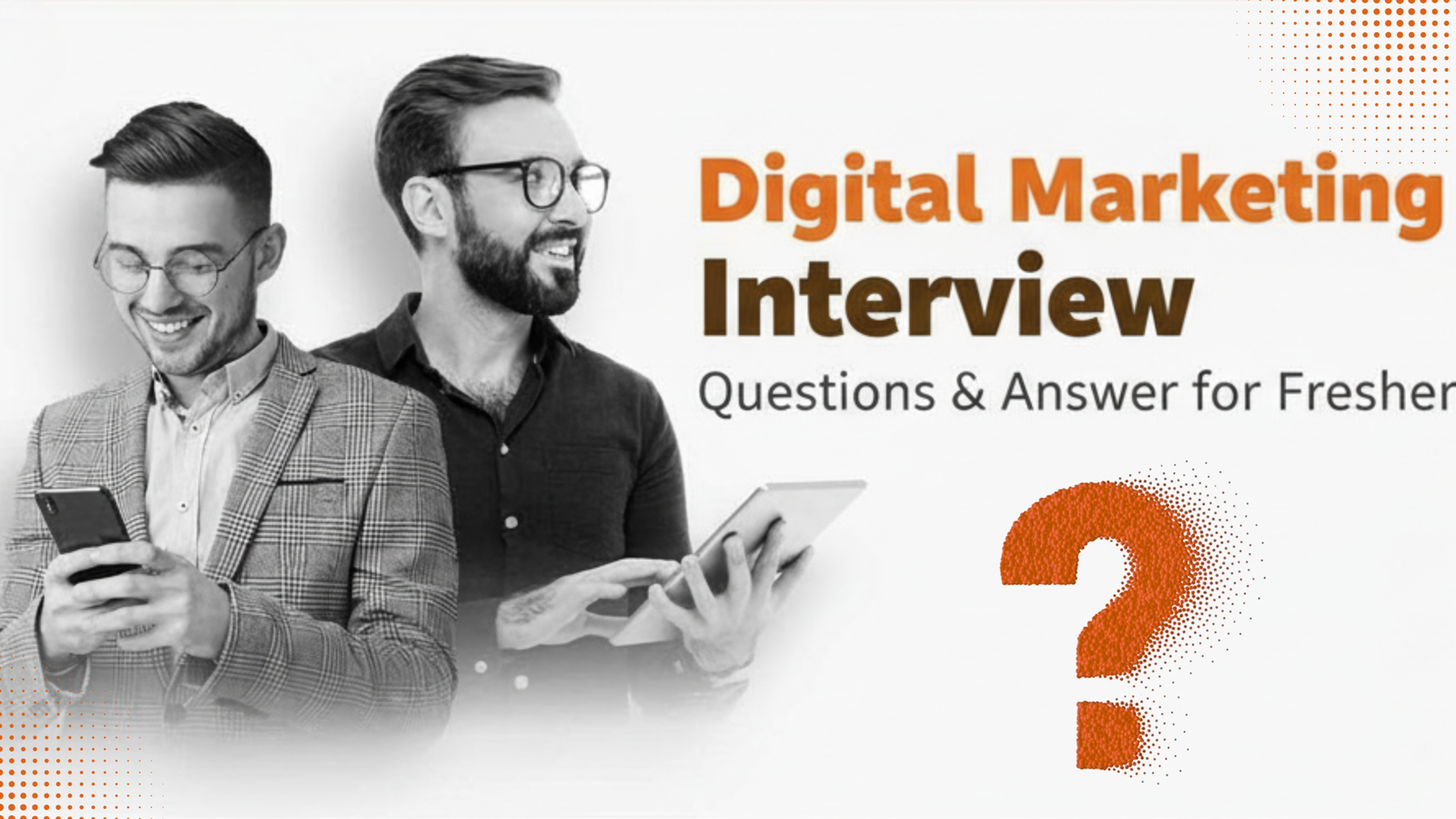
Starting a career in Digital Marketing is one of the smartest choices in 2026. With businesses shifting more towards online platforms, the demand for skilled digital marketers is growing rapidly across industries like e-commerce, education, healthcare, IT, startups, and personal brands.
However, cracking a digital marketing interview as a fresher can be challenging if you don’t understand the fundamentals clearly. Interviewers today don’t expect you to know everything, but they do expect clarity, basic tool knowledge, and practical understanding.
This latest 2026 guide covers the most frequently asked digital marketing interview questions with simple, easy-to-remember answers, specially designed for beginners and freshers.
Answer:
Digital Marketing is promoting products or services using online platforms like websites, social media, search engines, and email.
Explanation:
Instead of newspapers or TV, digital marketing uses the internet to reach customers and track results easily.
Answer:
It helps businesses reach more people at a lower cost with measurable results.
Explanation:
You can see how many people clicked, viewed, or bought your product in real time.
Answer:
SEO, SEM, Social Media Marketing, Content Marketing, Email Marketing, Affiliate Marketing.
Explanation:
Each type focuses on a different platform or strategy to attract customers.
Answer:
SEO means improving a website to rank higher on Google organically.
Explanation:
Better SEO brings free traffic from search engines.
Answer:
SEM is paid advertising on search engines like Google Ads.
Explanation:
You pay to show ads instantly for specific keywords.
Answer:
SEO is free and long-term; SEM is paid and instant.
Explanation:
Both are used together for better visibility.
Answer:
A keyword is a word or phrase users search on Google.
Explanation:
Choosing the right keywords helps your content reach the right audience.
Answer:
Optimizing content and elements inside the website.
Explanation:
Includes titles, headings, content, and images.
Answer:
SEO activities done outside the website.
Explanation:
Mainly backlinks and brand mentions.
Answer:
A link from another website to your site.
Explanation:
Backlinks improve website authority and trust.
Answer:
A score that predicts website ranking ability.
Explanation:
Higher DA means better chances to rank.
Answer:
Creating useful content to attract customers.
Explanation:
Focuses on value, not direct selling.
Answer:
Blogs, videos, reels, podcasts, ebooks.
Explanation:
Different formats attract different audiences.
Answer:
Promoting brands on social platforms.
Explanation:
Helps build relationships and brand awareness.
Answer:
Likes, comments, shares, and saves.
Explanation:
High engagement means good content performance
Answer:
Click-Through Rate.
Explanation:
Shows how attractive your ad or content is.
Answer:
Cost Per Click.
Explanation:
The amount paid for each ad click.
Answer:
Google’s paid advertising platform.
Explanation:
Ads appear on search results and websites.
Answer:
Ads on Facebook and Instagram.
Explanation:
Used for brand awareness and lead generation.
Answer:
People most likely to buy your product.
Explanation:
Correct targeting improves conversions.
Answer:
A page designed to convert visitors.
Explanation:
Focused on one goal like signup or purchase.
Answer:
When a user completes a desired action.
Explanation:
Example: purchase, form fill, download.
Answer:
Percentage of visitors who convert.
Explanation:
Higher rate means better performance.
Answer:
Sending emails to customers and leads.
Explanation:
Very cost-effective and high ROI.
Answer:
Promoting others’ products for commission.
Explanation:
You earn only when sales happen.
Answer:
Promoting products through influencers.
Explanation:
Influencers already have audience trust.
Answer:
Targeting previous website visitors.
Explanation:
Increases chances of conversion helps.
Answer:
Showing ads to users based on behavior.
Explanation:
Reminds users about the brand.
Answer:
A tool to track website performance.
Explanation:
Shows traffic, behavior, and conversions.
Answer:
Users leaving after viewing one page.
Explanation:
High bounce rate means poor engagement.
Answer:
Visitors coming to a website.
Explanation:
Traffic can be organic or paid.
Answer:
Free traffic from search engines.
Explanation:
Comes through SEO.
Answer:
Traffic from paid ads.
Explanation:
Fast but requires budget.
Answer:
A keyword with # symbol.
Explanation:
Helps content reach more people.
Answer:
How well people recognize a brand.
Explanation:
First step in marketing.
Answer:
Collecting potential customer details.
Explanation:
Used for future sales.
Answer:
Building relationships with leads.
Explanation:
Done using emails and content
Answer:
Automating marketing tasks.
Explanation:
Saves time and improves efficiency.
Answer:
Using AI tools to improve marketing.
Explanation:
AI helps in content, ads, and analysis
Answer:
ChatGPT, Canva AI, Jasper.
Explanation:
Used for writing and design.
Answer:
Automated customer chat tool.
Explanation:
Works 24/7 for support and sales.
Answer:
Promoting via WhatsApp messages.
Explanation:
High open rates.
Answer:
Marketing using videos.
Explanation:
High engagement and reach.
Answer:
Reels, Shorts, TikTok videos.
Explanation:
Popular for fast consumption.
Answer:
Blogs and long videos.
Explanation:
Good for education and SEO.
Answer:
Content posting schedule.
Explanation:
Ensures consistency.
Answer:
Marketing for mobile users.
Explanation:
Most users browse on phones.
Answer:
User Experience.
Explanation:
How easy a website feels..
Answer:
User Interface.
Explanation:
Design and layout of a website.
Answer:
Conversion Rate Optimization.
Explanation:
Improves website performance.
Answer:
Testing two versions.
Explanation:
Finds the best-performing option
Answer:
Same experience across platforms.
Explanation:
Website, app, social media connected.
Answer:
Using multiple platforms separately.
Explanation:
No integration.
Answer:
Key Performance Indicator.
Explanation:
Measures success.
Answer:
Return on Investment.
Explanation:
Profit from marketing spend.
(Complete 2026 SEO & Content Roadmap) Search behavior has changed.

(A Complete Step-by-Step Guide for Websites, E-commerce, Services & Digital
(A Complete Practical Roadmap for Modern Marketers (Works for Digital,
In today’s digital world, customers don’t use just one platform
Starting a career in Digital Marketing is one of the

Build a Strong Portfolio & Online Presence Portfolio Website: Create